The Introduction Letter
On the letter that arrives with every Thomas Anne case — and why it was the first thing we made
Before we had a full product range. Before we had a website that looked like this. Before the Leviathan existed even as an idea — we had the letter. The Thomas Anne introduction letter was the first thing Cristy-Anne and I agreed on completely, and it remains the thing we are most certain about.
Every Thomas Anne case arrives with it. Printed on fine stock. Signed by hand. Placed inside the case before it is closed for the last time in our workshop — the final step in the making of every Thomas Anne case.
Why a Letter
The unboxing of something handmade is a specific moment. The packaging comes away. The object appears. There is a pause before it is examined — a moment of taking it in as a whole before the hands move to inspect the details. That pause is the most receptive moment in the entire experience of receiving something. It is the moment when the person holding it is most open to understanding what it is and where it came from.
We wanted something in that moment that was not a receipt, not an instruction sheet, not a QR code. We wanted something personal — something that acknowledged that a person had made this object, that another person was receiving it, and that the exchange between them was worth marking with more than a transaction confirmation.
A letter is the oldest form of personal communication between people who are not in the same room. It felt right.
"We wanted the collector who opens the case to know that it was made by people who thought about them. The letter is how we say that."
Cristy-Anne — Thomas Anne CollectiblesWhat It Says
The letter introduces Thomas Anne — who we are, why we make what we make, and what we believe about the collections these cases will hold. It acknowledges the collector directly. It says, in plain language, that what they have assembled over the years deserves to be kept properly — and that we built the case with that understanding.
It is not marketing copy. It does not list features or specifications or encourage the next purchase. It is a genuine letter — the kind you write when you want the person reading it to feel that the object they hold was made with them in mind, even though you had never met them.
We sign it by hand because that is the difference between a printed letter and a letter. The signature is the proof that a person wrote it — not a template, not an automated system, but Bradley and Cristy-Anne, who made the case that is now in your hands.
The Letter as Part of the Object
We place the letter inside the case before it is closed for shipping. This means that when the case is opened for the first time, the letter is the first thing encountered — before the foam, before the first coin is placed. The case, at that moment, holds only the letter and the potential of the collection that will follow.
We have heard from collectors who kept the letter in the case permanently — placed beneath the foam insert, resting against the timber base. We find that enormously satisfying. The letter and the collection, held together in the same object. Both part of the same thing.
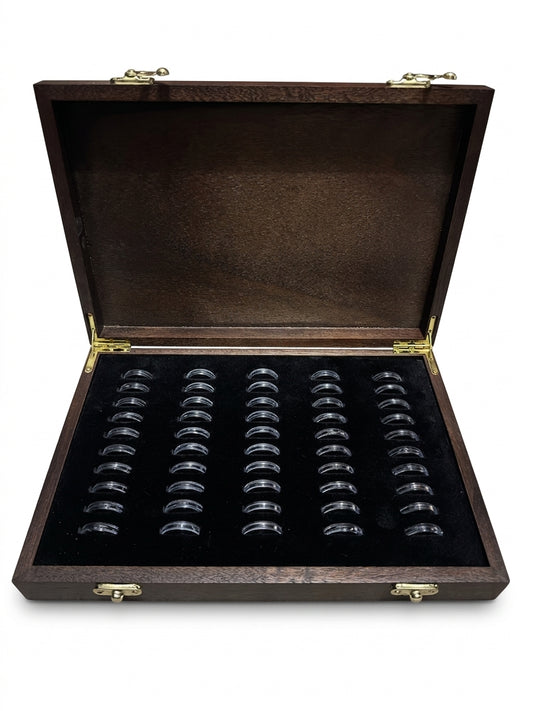
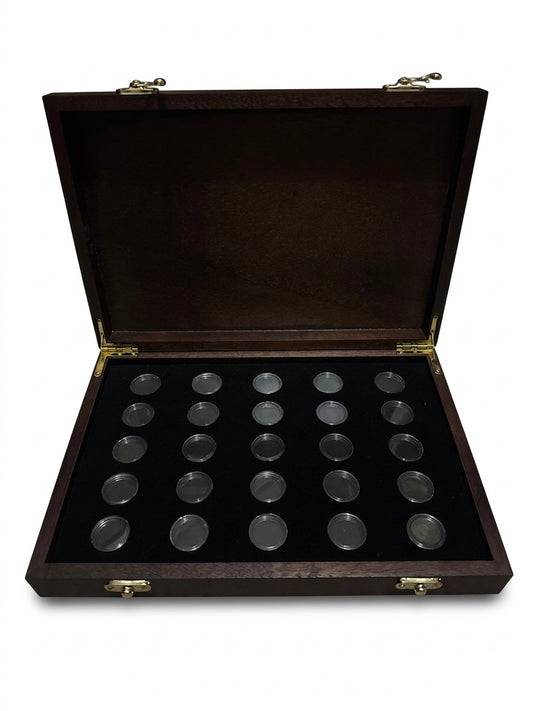
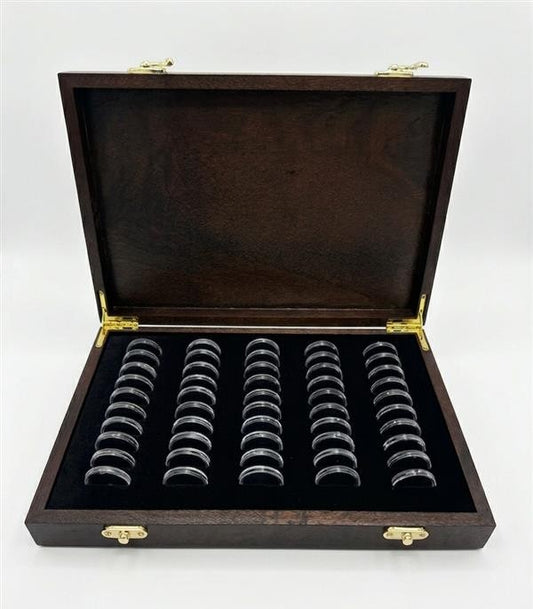
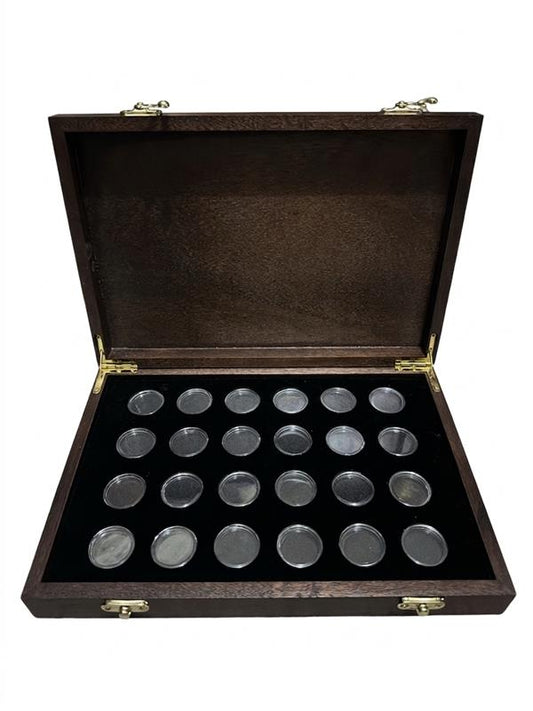
Handcrafted timber display cases built for the Australian decimal series — protecting your collection while keeping every coin visible.
Browse The Collection